Our Portfolio
Bibhuti Bista – research and consulting services aim to demonstrate our work's scope, creativity, and effectiveness for different clients across different thematic areas.









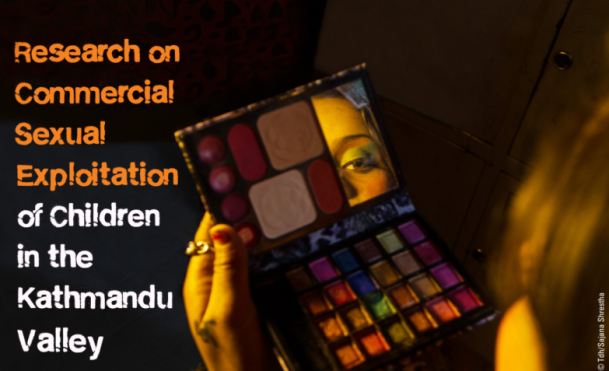
Bibhuti served as the Research Coordinator in this mixed methods research on CSEC of children in the Kathmandu Valley was carried out by the research team from The University of HongKong, Griffith University, and Tdh Netherlands. The research was about Understanding of girl’s pathways out of CSE and Mapping services and support system to exit the CSEC sector.
By highlighting both the strengths and gaps in current resources, the study aimed to inform policymakers and stakeholders about effective interventions and best practices that can empower vulnerable children. This comprehensive approach ultimately seeks to enhance protective measures and improve the overall well-being of those affected by CSEC in the region.
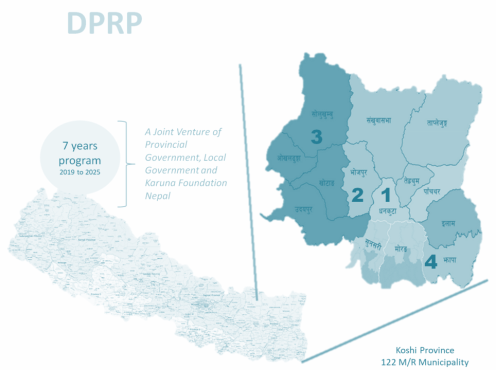
The Mid-Term Evaluation of the Disability Prevention and Rehabilitation Program (DPRP) at Karuna Foundation aimed to provide an in-depth assessment of the program's effectiveness, efficiency, relevance, and financial viability. This evaluation incorporated a mixed-methods approach, combining quantitative data analysis with qualitative insights.
This comprehensive evaluation highlighted the program's successes and identified challenges and opportunities for further development. The goal was also to provide actionable recommendations that would enhance the program's impact on DPRP in the communities served by the Foundation.
We undertook a comprehensive KAP (Knowledge, Attitudes, and Practices) study for WWF Nepal to assess and enhance socioeconomic conditions within the community. We gathered in-depth insights and data by employing a combination of qualitative and quantitative methodologies. This allowed us to identify key lessons learned and best practices from our findings. Additionally, we formulated actionable recommendations tailored to address specific challenges and opportunities, ensuring a positive impact on the human wildlife co-existence.
The Right Here, Right Now (RHRN2) programme is a strategic partnership between Rutgers (lead), ARROW, AMPF, CHOICE for Youth and Sexuality, Reproductive Health Uganda, and RNW Media. As part of the programme's evaluation process, led by RiH and WiW (The Netherlands) Bibhuti participated as a National Consultant from Nepal during the Mid-Term Review (MTR), providing valuable insights and expertise.
A variety of evaluation methods - FGD, KII ,MSC, was used. Additionally, surveys were conducted to collect quantitative data, and outcome-harvesting techniques were utilized to identify and analyze the program's outcomes. This comprehensive approach ensured a thorough engagement with different stakeholders in the RHRN2 programme, allowing for a rich understanding of its effectiveness and areas for improvement.
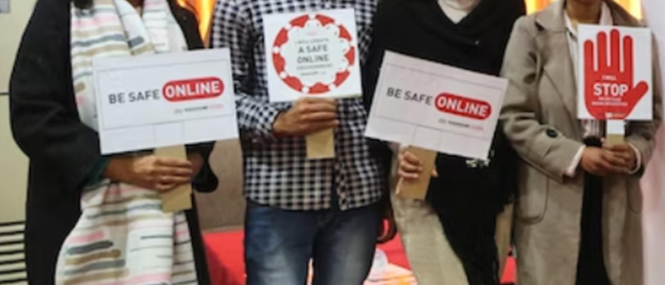
For the Safety for Children and Their Rights Online (SCROL) Nepal project, to establish a solid foundation for the project's implementation, we undertook a comprehensive baseline survey to understand the current landscape and challenges faced by these children in the digital realm.
During the survey, we collected a wide range of data, including the prevalence of OCSE incidents, children's online behaviour, and existing support mechanisms. Following the data collection, we conducted an in-depth analysis to extract meaningful insights and identify potential areas for intervention. This analysis not only highlighted the critical risks children face online but also shed light on their digital literacy levels and the effectiveness of available resources.
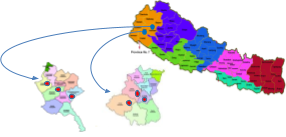
We conducted a mid-term review (MTR) of DCA's PARIWARTAN project, which aimed to provide a detailed and comprehensive evaluation of the systematic achievements associated with the project's log frame indicators. This in-depth review process involved carefully examining various aspects, including the relevance, effectiveness, efficiency, and sustainability of project implementation, the extent to which the outlined goals and objectives have been achieved, and how these achievements align with the community's evolving needs and the current context.
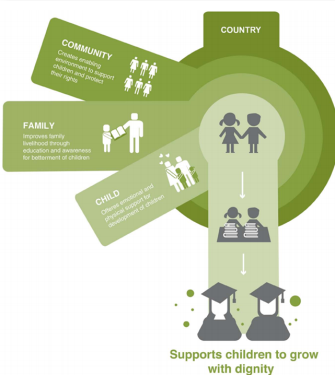
The final evaluation of the Community Development Project (CDP) of Good Neighbors International was meticulously crafted to provide a comprehensive and independent assessment of the program's implementation and the achievements it has realized to date. This evaluation analyses various aspects of the program, including its methodologies, outreach efforts, and impact on the target population. These findings served as a crucial guide for shaping future program efforts, ensuring they are more effective and aligned with the needs of the target population.
We conducted an Endline Assessment and Final Evaluation of Countering Trafficking in Persons (CTIP – II) Empowerment and Advocacy to Prevent Trafficking for YHDO, Afghanistan. Using the mixed methods, the team assessed the level of awareness among vulnerable youth on issues of human trafficking, GBV, and harassment. Likewise, assessed vulnerability and exposure of targeted youth to violence; effectiveness of the current program and document lesson learned from the implementation of the project; and analyzed the satisfaction of clients from the youth safety networks and SDWs